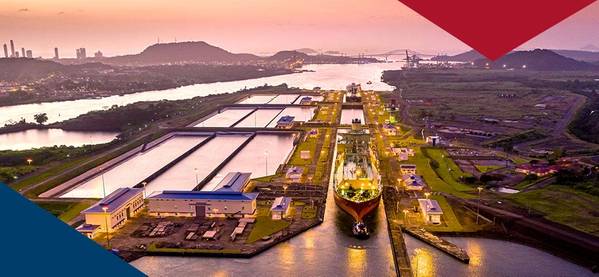
The Panama Canal Authority (ACP) has launched the concessionaire selection process for a natural gas pipeline project, holding its first market engagement event with more than 45 representatives from global energy companies.
The 76-kilometre pipeline, with a planned transfer capacity of up to 2.5 million barrels per day, will connect maritime terminals on the Atlantic and Pacific coasts. It forms the cornerstone of a new interoceanic energy corridor designed to strengthen Panama’s competitiveness and meet growing demand in the global energy products market.
The corridor will facilitate the transportation of propane, butane, and ethane between the Gulf of Mexico and Northeast Asia, thereby freeing up canal capacity without additional water usage.
The objective is to enhance the canal’s performance by reducing vessel wait times, securing its long-term reliability and competitiveness.
The ACP said the project will comply with international standards of safety, environmental protection and operational excellence. Feedback from interested companies will help shape the proposed concession structure, roles and model.
Companies participating in the event included ExxonMobil, Shell, Mitsubishi, Sumitomo, Phillips 66, Vitol, Energy Transfer, SK Energy and the Japan Bank for International Cooperation, among others.
Next steps will include a prequalification stage, further dialogue with shortlisted companies, and final concessionaire selection.

 Subscribe