Guyana has asked judges at the International Court of Justice to rule that Venezuela does not have a legitimate claim on the potentially oil-rich region around the Esequibo river, which has been the subject of a dispute between the Latin American neighbours since colonial days.
"Facing a larger and more powerful neighbour's designs on our territory has not only threatened our peace and security, it has held back our development," Guyana's Foreign Minister Hugh Hilton Todd told judges at the start of week-long hearings at the ICJ, also known as the World Court.
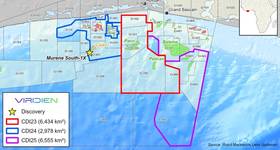
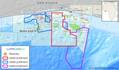
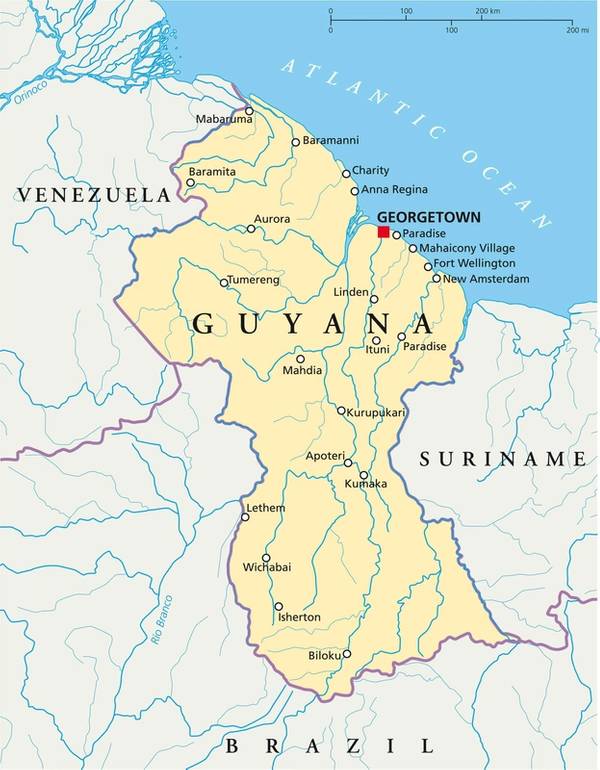
At issue is a 160,000-square-km (62,000-square-mile) border territory around the Esequibo river, which is mostly jungle, and an offshore area where massive discoveries of oil and gas have been made.
Todd said Venezuela's "unlawful" claim applies to more than 70% of Guyana's territory.
In 2018, Guyana brought the case to the ICJ - the United Nations' top court - which deals with disputes between states, and asked it to confirm the border laid down in an 1899 arbitration between Venezuela and the then-colony of British Guiana, according to which the territory belongs to Guyana.
In a 2023 referendum Venezuelan voters rejected the ICJ's jurisdiction over the territorial dispute with Guyana and backed the creation of a new state in the Esequibo region which Venezuela established a year later.
After the capture of President Nicolas Maduro and his wife by U.S. forces in January, Venezuela is being run by an interim government. Venezuela will have a chance to set out its case on Wednesday.
A final judgment in the case is months away. Rulings of the ICJ are binding and without appeal, but the court has no way to enforce them itself, instead relying on the U.N. Security Council.
(Reuters)

 Subscribe